Basketball Club Teams San Diego Offering Year-Round Development
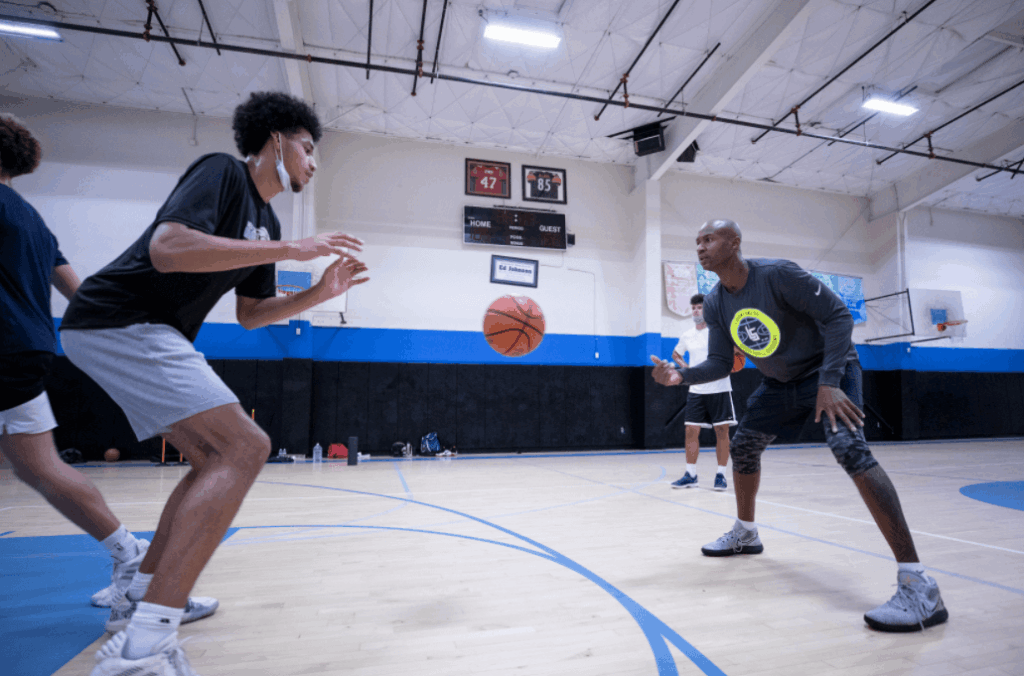
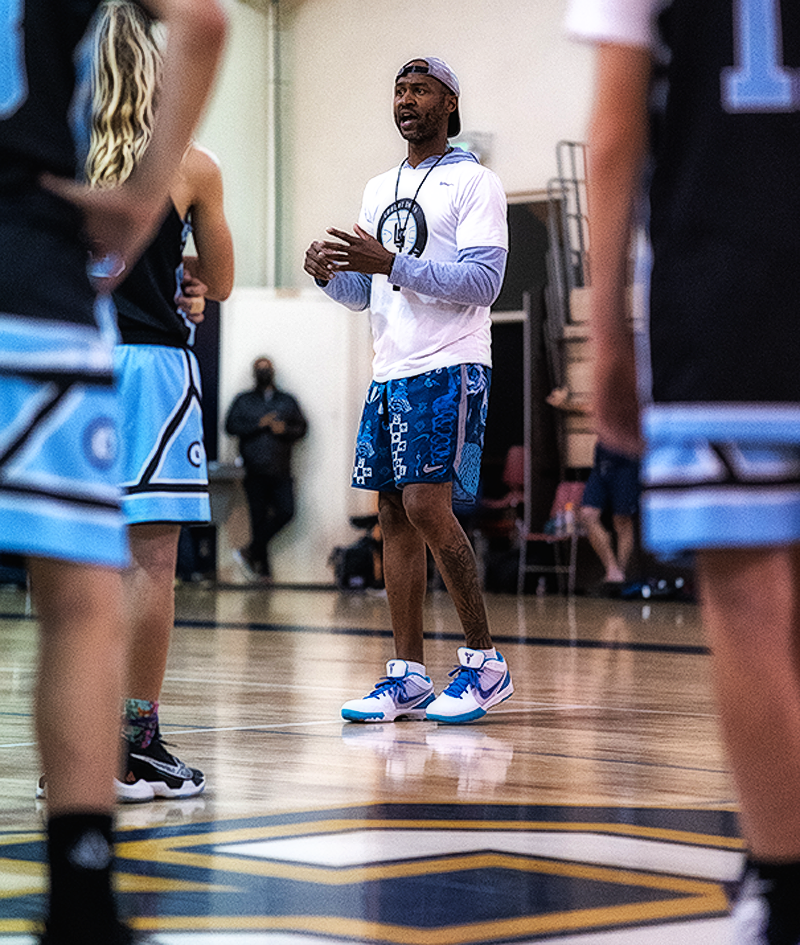
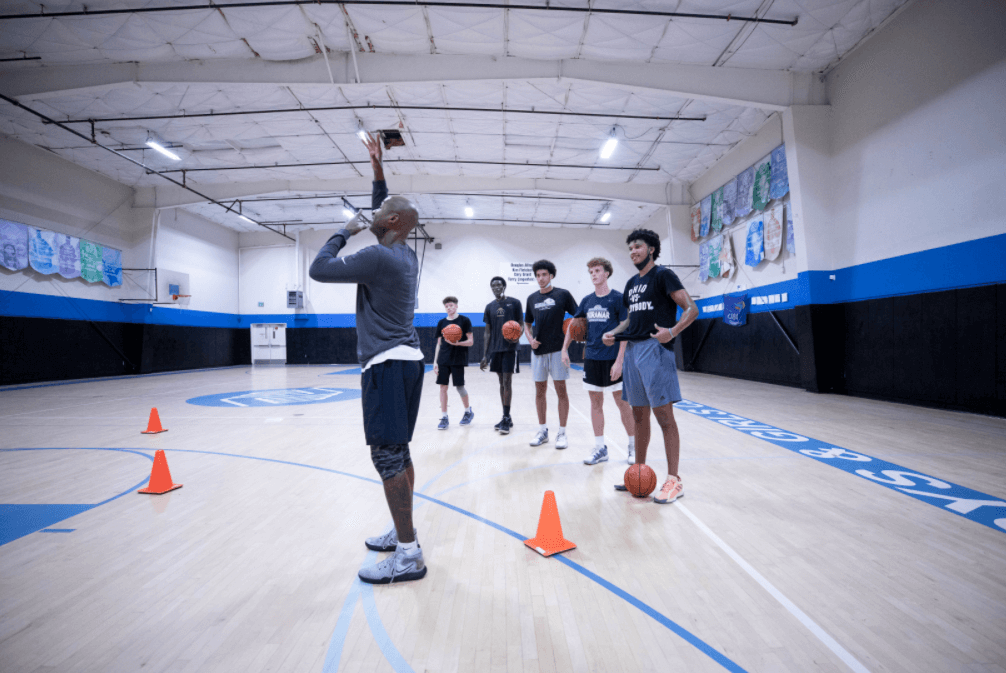
San Diego has always been a strong sports city, but basketball has taken on a different shape over the last decade. It is no longer just about a winter school season, a spring rec league, or the occasional summer camp. Families now look for steady skill growth, better coaching continuity, meaningful competition, and a structure that helps players improve month after month. That shift is a big reason Basketball Club Teams San Diego families are paying close attention to year-round development models.
The phrase sounds simple, but year-round development is often misunderstood. It does not mean grinding twelve months a year with no break. It does not mean piling on tournaments every weekend until a young player burns out. In a healthy club environment, year-round development means a plan. It means skill work that builds over time, team concepts taught in age-appropriate ways, strength and movement training that supports the body instead of overloading it, and enough game experience to make practice matter.
Parents usually feel the difference quickly. In a strong club setting, players stop drifting from event to event with no clear progression. Instead, they move through phases. Ball handling gets tighter. Footwork becomes cleaner. Decision-making improves because coaches teach reads, not just plays. Confidence grows because the athlete starts to understand why a drill matters and how it shows up in games.
What year-round development really looks like
A lot of programs use the term, but not all of them deliver the same thing. In practice, year-round development should feel more like a training calendar than a nonstop season. There are periods for team practice, individual skill development, tournament play, recovery, and reassessment. Better clubs know when to push and when to pull back.
For younger players, especially those in late elementary and middle school, the goal is usually broad athletic development combined with foundational basketball skills. That includes balance, coordination, passing mechanics, shooting form, defensive stance, and spacing awareness. At that age, the smartest coaches are not rushing players into narrow roles. They are building versatile athletes who can dribble, pass, cut, and defend.
For high school players, the emphasis often becomes more layered. Skill work gets sharper and more position-aware, even if the best programs still avoid labeling a player too early. Strength training and movement quality begin to matter more. Film can be useful when it is specific and not overloaded. Competition tends to rise in quality, so game reps reveal weaknesses quickly. That can be uncomfortable, but it is also one of the reasons club basketball helps serious players improve.
A year-round model only works when those pieces connect. A player cannot spend three months on shot mechanics, then return to team play where no one reinforces the same footwork or shot selection standards. Likewise, a team cannot preach pace and spacing if players never get the individual reps needed to handle pressure or make quick reads. The strongest Basketball Club Teams San Diego families tend to gravitate toward are the ones that link training, competition, and coaching language across the calendar.
Why San Diego is well suited to this model
San Diego offers a natural advantage for year-round sports development. The weather allows for consistent training schedules. Facilities vary in quality and availability, but the city and surrounding areas provide enough gyms, parks, schools, and training spaces to support sustained programming. Families also tend to be used to balancing academics, sports, and travel, which makes them selective about how time is spent.
That selectiveness matters. Club basketball is a commitment, and in a market like San Diego, families can see the difference between a program that simply keeps kids busy and one that actually develops them. Programs that survive and grow usually do so because players improve, not because of flashy branding alone.
There is also a wide range of athlete goals in this region. Some players want a structured environment that complements school basketball. Others want to compete at a high level, face better talent, and prepare for varsity roles or potential college recruitment. A year-round system can serve both groups, but only if expectations are set honestly. Not every athlete needs the same volume, the same travel schedule, or the same tournament circuit.
That is one of the most important points families miss early on. More is not automatically better. Better is better.
The coaching difference is usually the deciding factor
If you spend enough time around youth and club basketball, one truth becomes obvious. Players can tolerate an average gym. They can work around imperfect scheduling. They can even survive a season that lacks ideal chemistry. What they cannot make up for is weak coaching over time.
A year-round club experience magnifies the impact of coaching because players spend so many hours in that environment. Good habits become permanent. Bad habits do too.
Strong coaches in club basketball usually share a few traits. They teach details without drowning kids in information. They correct footwork, timing, angles, and decision-making in real time. They know when to stop a drill and when to let players play through mistakes. They also communicate differently with a ten-year-old than they do with a seventeen-year-old, which sounds obvious until you watch coaches who never adjust their tone or expectations.
The best developmental coaches also understand that growth is not always linear. One month a player’s jumper looks smooth, and the next month it disappears under game pressure. A guard may dominate against average competition but struggle when length and speed increase. A young post player might score easily one season, then hit a wall when opponents become stronger and better positioned. These moments are normal, and experienced coaches recognize them as part of development, not proof that the athlete has failed.
That perspective matters in San Diego’s club scene because families often compare players across age groups, teams, and tournament weekends. One athlete is scoring fifteen a game at twelve years old. Another is on a top team but barely playing. Another looks polished in drills but freezes in games. Raw outcomes rarely tell the whole story. Coaches who see the long arc tend to make better decisions for players.
Skill development should not disappear once games begin
One of the most common weaknesses in club basketball is that individual development gets crowded out once competition ramps up. Practices become entirely team-focused. Sets, press breaks, and special situations dominate the hour. Younger players especially can go weeks without enough deliberate work on shooting, finishing, or ball control.
That is a mistake.
A club team that claims to offer year-round development should make room for both team basketball and individual growth throughout the year. Team success and skill progress are not competing goals. In fact, they support each other. A team offense becomes much more effective when wings can attack a closeout with balance, when bigs can catch and finish through contact, and when guards can deliver skip passes without floating the ball.
There is also a confidence component that coaches sometimes overlook. Players who are steadily improving their personal skill base tend to accept coaching better in games. They are less likely to panic after a turnover or hide after a missed shot. They know they have put in work, so they trust the process a little more.
A practical example shows how this plays out. Imagine a middle school guard who struggles against ball pressure. If her team only works on game plans and tournament prep, she may continue to pick up her dribble too early and force passes into traffic. If the club builds in year-round development properly, she gets repeated reps on retreat dribbles, change of pace, strong-hand and weak-hand control, and reading a second defender. Then when tournament games arrive, the correction is not theoretical. She has a tool she can actually use.
Games matter, but the right games matter more
Families are often sold on volume. More tournaments. More exposure. More chances to compete. That can sound persuasive, especially when a player is eager and improving. Yet experienced basketball people know that too many games can flatten development if they are not supported by real training and reflection.
There is a sweet spot. Players need enough competition to test what they are learning. They need to face different styles, larger defenders, smarter guards, and faster tempos. But they also need time to work on what those games reveal. A weekend with four close games can be valuable. Six games in two days with no meaningful practice before or after, often is not.
That is another reason the better Basketball Club Teams San Diego parents seek out tend to be disciplined about scheduling. They understand that every tournament has a cost. There is the obvious financial cost, but also energy, family time, school impact, and physical wear. If the event does not provide strong competition, good organization, or a clear developmental purpose, it may not be worth it.
Players rarely need to be told this directly. Their bodies https://erickbykl353.fotosdefrases.com/basketball-club-teams-in-san-diego-and-the-future-of-youth-sports tell them. Sloppy footwork, tired legs, passive defense, and short jumpers often reveal an overloaded schedule before adults admit it.
The physical side is no longer optional
Basketball development used to be discussed almost entirely in terms of skills and game IQ. That is not enough anymore. Movement quality, strength, stability, and recovery are part of the developmental picture, even for younger players.
This does not mean every twelve-year-old needs a heavy lifting plan. It means age-appropriate physical preparation should support the basketball work. Younger athletes benefit from balance, landing mechanics, core control, sprint fundamentals, and mobility. Older athletes can handle more structured strength training if it is taught well. The purpose is not bodybuilding. It is durability, coordination, and force production that helps a player move better and stay healthier.
This is especially important in a year-round system. Basketball places repetitive stress on knees, ankles, hips, and lower backs. Add growth spurts, school-season overlap, and weekend travel, and it becomes clear why some athletes stall physically even as they gain skill. Clubs that ignore this side of development often produce players who look sharp in short bursts but fade over time.
Parents can usually spot whether a program takes physical development seriously. Players warm up with intention. Coaches care how athletes land, decelerate, and change direction. There is some education around sleep, hydration, and recovery. Nobody treats soreness as a badge of honor. Those are good signs.
A parent’s role is bigger than most people think
Club basketball can bring out the best and worst in sports parenting. On the good side, families provide transportation, encouragement, structure, and the emotional steadiness young athletes need. On the bad side, outside pressure can overwhelm a player’s growth.
In year-round development, parents matter because the calendar is long. A bad weekend cannot become a family crisis. A temporary slump cannot lead to three private trainers, a new team search, and a flood of sideline analysis in the car ride home. Young players improve best when the adults around them keep perspective.
The healthiest families treat club basketball as a serious commitment without making it the only identity a child has. They understand that progress can be uneven. They ask good questions. They communicate respectfully with coaches. They also notice whether their child still enjoys the work. Enjoyment does not mean every practice is easy. It means the athlete still feels a sense of ownership and purpose.
When families are evaluating Basketball Club Teams San Diego options, a few questions usually reveal a lot:
- How often do players get true skill development outside of team practice?
- What does the yearly calendar look like, including lighter periods and recovery time?
- How does the coaching staff communicate about playing time, roles, and progress?
- What level of competition does the team consistently face?
- How does the program support physical development and injury prevention?
Those questions are more useful than asking whether a team “wins a lot.” Winning matters, but in youth basketball it can hide as much as it reveals. Some teams win young because they press constantly, rely on one early-maturing athlete, or play a style that produces results before it produces complete players. Families need a wider lens.
Different ages need different versions of development
One of the clearest marks of a mature club program is that it does not coach every age group the same way. Year-round development must evolve with the athlete.
For younger players, repetition matters, but so does variety. Practices should include skill learning, simple reads, movement games, and enough freedom for creativity. If a ten-year-old is terrified to make a mistake, the environment is already limiting development. At that age, coaches should be building habits and love for the game at the same time.
In the middle school years, structure can increase. Players are ready for more detailed teaching, but they still need room to handle the ball, explore offensive options, and guard multiple positions. This is often the stage where clubs either help players expand or start boxing them in too early. A taller seventh grader should still develop guard skills. A smaller player should still learn how to finish and defend physically.
By high school, players can handle harder truths. They need honest evaluation. They need to understand role fit, defensive accountability, and what separates average varsity contributors from impact players. They also need to hear that development does not stop because recruiting talk begins. If anything, the standard rises. College coaches, when they do evaluate, notice how a player moves, competes, responds to coaching, and affects the game beyond scoring.
This age-specific approach is where experienced clubs separate themselves. They know that the same phrase, “play harder,” means different things depending on whether the athlete is eleven or seventeen. So does “be confident.” So does “make the right read.” Teaching has to match the stage.
What players gain from staying in one thoughtful system
There is always a temptation in club basketball to jump quickly. One tough season, one reduced role, one tournament where another team looks sharper, and families begin looking elsewhere. Sometimes a change is warranted. Bad coaching, poor communication, or a clear mismatch can justify a move. But there is also real value in continuity when the environment is healthy.
Players develop faster when terminology stays consistent. A closeout, a gap help position, a pick-and-roll read, a shooting cue, these things sink in deeper when reinforced over time by coaches who know the athlete. Trust builds. Accountability gets clearer. Coaches can track long-term progress instead of reacting to one weekend.
That continuity is one reason year-round development can be so effective. The staff sees the athlete in different seasons and different moods. They see who handles adversity, who coasts when comfortable, who responds to extra work, and who needs confidence rebuilt after a rough patch. Those details help coaching become more personal and more useful.
A player I once watched over several seasons came into club basketball as a strong defender with limited offensive confidence. She would reverse the ball quickly, avoid contact, and pass up open shots. Because she stayed in a development-focused system, the staff kept layering simple goals. First, attack one paint touch per quarter. Later, take the open catch-and-shoot three with no hesitation. Then, make one secondary play after the drive. None of that happened overnight. By high school, she had become the kind of two-way player every coach trusts. If her family had chased short-term scoring opportunities after each slow month, that growth may never have happened.
Red flags that deserve attention
Not every club that promises development actually prioritizes it. Some warning signs show up early if families know where to look. One is a constant obsession with branding and exposure while day-to-day teaching remains vague. Another is a schedule packed with games but little actual practice. A third is when coaches talk about toughness but ignore fundamentals, organization, or player welfare.
There are subtler red flags too. If players look robotic and afraid, the environment may be too controlling. If every possession runs through one athlete at younger ages, others may not be developing. If communication around roles and expectations is always reactive, frustration tends to build. And if injuries or chronic soreness are treated casually, that is a serious concern.
Healthy clubs are not perfect. Practices can be messy. Teams can lose. Roles can be hard to accept. But a good program should still make its developmental priorities visible over time.
Here are a few signs that a year-round model is actually working:
- Players improve in areas beyond scoring, especially footwork, spacing, passing, and defensive awareness.
- Coaches can explain why the team trains and competes the way it does.
- Athletes look engaged over the long haul, not just hyped for tournaments.
- The program adjusts workloads and expectations by age and season.
- Families hear honest communication, even when the message is not always flattering.
That last point matters. Sugarcoating may feel easier in the moment, but real development depends on clarity.
Choosing fit over hype
San Diego has enough basketball options that families can get distracted by appearances. Uniforms look sharp. Social media clips circulate. A team posts travel photos and championship graphics. None of that is meaningless, but none of it should be confused with development.
Fit is more important. A player needs the right challenge level, the right coaching voice, and the right balance of skill work and competition. Some athletes need more reps and responsibility on a slightly lower-level team. Others need to be stretched by stronger teammates and harder practices, even if their immediate production dips. There is judgment involved, and good families take time before making a choice.
That judgment often comes down to one question: will this environment help the player a year from now, not just next weekend?
For the best Basketball Club Teams San Diego can offer, that is the standard worth using. Year-round development is not a slogan when it is done well. It is a disciplined approach to building players steadily, honestly, and with enough patience to let real growth happen. In a sport where everyone wants quick results, that patience may be the biggest advantage of all.
Lamont Smith Basketball Academy
888 Clairemont Mesa Blvd Suite T-2, San Diego, CA 92123
(619) 639-8778
FAQ About Basketball Club Teams San Diego
How can a player join an LSBA club team?
Players are evaluated during practices so the coaching staff can recommend an appropriate team and development level. Families should contact the academy to confirm current openings and evaluation details.
Are club teams available for newer basketball players?
Yes. LSBA describes multiple levels, including a developmental option for newer players as well as more competitive teams for athletes with prior club experience.
What do LSBA club team practices emphasize?
Practices emphasize basketball fundamentals, team defense, structure, communication, and player development. The specific focus may vary according to the team and experience level.
Do all LSBA teams travel?
Travel expectations vary by level. Some teams focus on local competition, while advanced teams may participate in tournaments elsewhere in Southern California or beyond. Families should confirm the current schedule before enrolling.